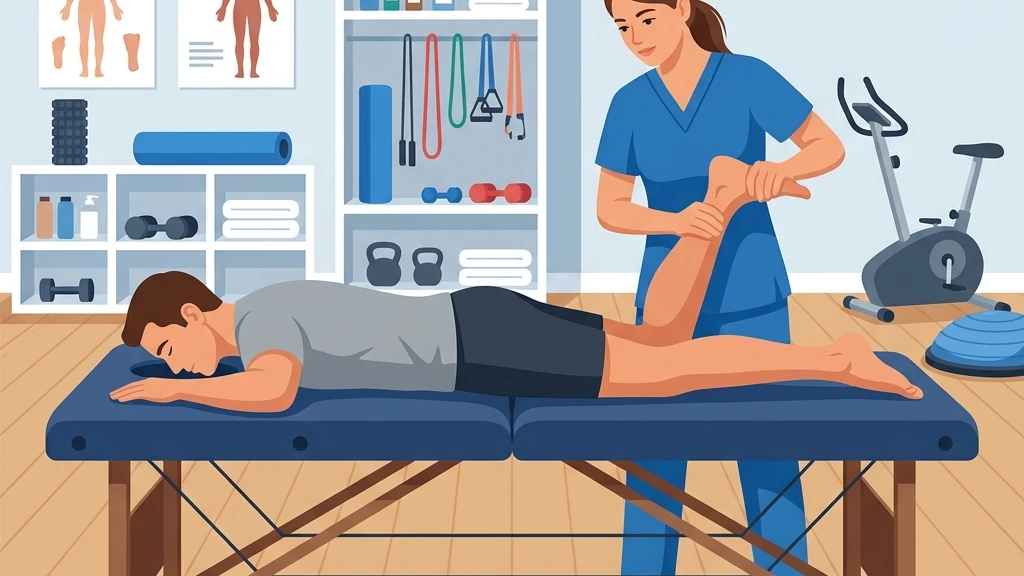
The Achilles tendon is the thickest and strongest tendon in the human body, connecting your calf muscles to your heel bone. It is essential for walking, running, jumping, and standing on your tiptoes. However, because it endures immense force during physical activities, it is highly prone to inflammation and strain—a condition known as Achilles tendonitis.
For individuals where running, jogging, and active fitness are popular, Achilles pain is a common complaint. If you feel a dull ache or stiffness at the back of your leg, especially when taking your first steps in the morning, seeking clinical physiotherapy can speed up tissue recovery and prevent tendon tears.
Understanding Achilles Tendonitis
Achilles tendonitis is typically an overuse injury, categorized into two main types based on which part of the tendon is inflamed:
- Non-Insertional Achilles Tendonitis: Affects the middle portion of the tendon, causing pain and swelling about 2 to 6 centimeters above the heel. It is more common in active, younger people.
- Insertional Achilles Tendonitis: Occurs at the point where the tendon attaches to the heel bone. This type can happen to anyone, active or sedentary, and often involves bone spurs (calcaneal spurs) at the back of the heel.
Common Triggers of Tendon Inflammation
Tendonitis is rarely caused by a single trauma. It is usually the result of repetitive strain from:
- Sudden Increases in Training: Running longer distances or adding hill training too quickly.
- Tight Calf Muscles: Puts extra strain on the tendon attachment, reducing flexibility.
- Inappropriate Footwear: Running in worn-out shoes or shoes that lack heel cushioning.
- Flat Feet: Having fallen arches stretches the calf muscles and twisting the tendon, increasing local friction.
How Physiotherapy Promotes Healing
At PhysioPulse, our treatment protocols focus on relieving tendon tension and rebuilding load tolerance:
- Load Management: Rest is vital initially, but complete inactivity can weaken the tendon. We guide you on how to adjust your activities to keep the tendon active without triggering pain.
- Eccentric Calf Raises: The clinical standard for Achilles rehab. Standing on the edge of a step, you raise up on both feet, then slowly lower your injured heel below the step level. This controlled lowering strengthens the tendon fibers and promotes collagen alignment.
- Manual Soft Tissue Release: Releasing tightness in the gastrocnemius and soleus calf muscles to reduce the pull on the Achilles tendon.
- Orthotic Support: Recommending temporary heel lifts or custom orthotics to elevate the heel and decrease tendon strain during walking.
Start Your Recovery Journey
A sore Achilles tendon should never be ignored, as chronic inflammation can weaken the tissue, leading to a partial or complete tendon rupture that requires surgery. Our team of SLMC registered physiotherapists advises that restoring calf muscle length and gradually loading the tendon is key to long-term healing. If you are experiencing pain behind your heel or ankle stiffness, contact PhysioPulse to schedule an Achilles tendonitis consultation.
Experience Professional Recovery
Suffering from pain or recovering from a sports injury? Book a clinical consultation, a home visit, or a video call session with our team of SLMC registered physiotherapists.