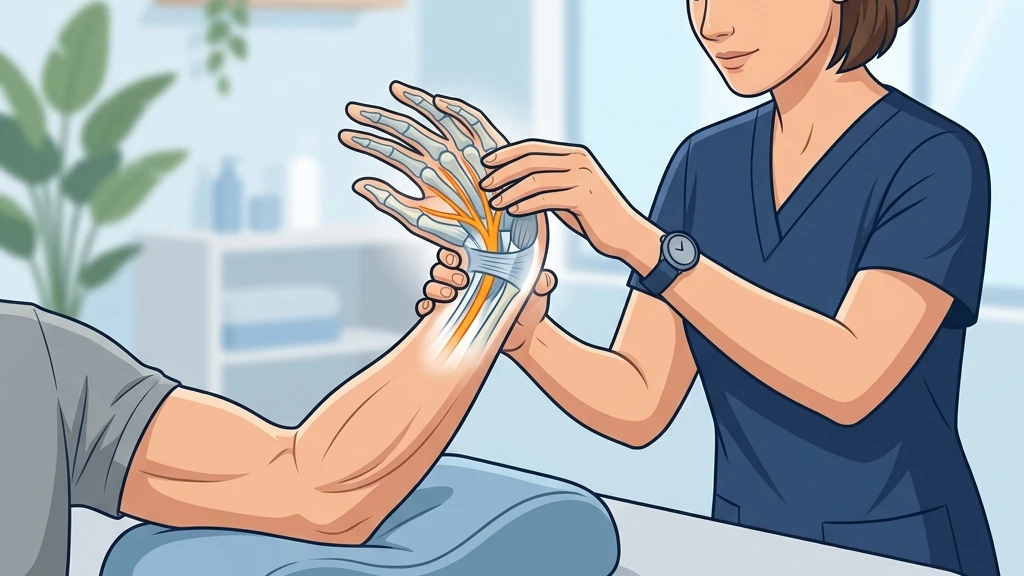
Carpal tunnel syndrome (CTS) is a common neurological condition that causes numbness, tingling, weakness, and pain in the hand and wrist. It occurs when the median nerve, which runs from your forearm into the palm of your hand, becomes compressed or squeezed at the wrist.
In modern workplaces, where many professionals spend long hours working on laptops, managing high volumes of manual paperwork, or using mobile devices, wrist pain is a frequent concern. Understanding the early symptoms and seeking prompt physical therapy can prevent permanent nerve damage and help you avoid surgical interventions.
What is the Carpal Tunnel?
The carpal tunnel is a narrow, rigid passageway of ligament and bones located at the base of the hand. This tunnel protects the median nerve and the tendons that bend your fingers.
The median nerve provides sensation to your thumb, index, middle, and ring fingers, as well as signals to move the muscles around the base of the thumb. When the tendons inside the tunnel become inflamed or swollen, the space narrows, compressing the median nerve. This pressure blocks the nerve's signals, leading to the classic symptoms of numbness and tingling.
Recognizing the Symptoms of Median Nerve Compression
Symptoms of carpal tunnel syndrome usually start gradually and include:
- Tingling and Numbness: A "pins and needles" sensation in your thumb and fingers, which may travel up your arm.
- Nighttime Waking: Many patients wake up at night feeling the need to "shake out" their hands. This happens because people often sleep with their wrists bent, further compressing the nerve.
- Hand Weakness: Dropping objects, difficulty buttoning shirts, or struggling to hold a pen due to weakness in the thumb muscles.
Targeted Hand Therapy for Carpal Tunnel
Our clinical rehabilitation protocol at PhysioPulse aims to relieve pressure on the median nerve through non-invasive physical therapy:
- Night Splinting: Wearing a neutral wrist splint at night keeps the wrist straight, maximizing the space inside the carpal tunnel and allowing the nerve to recover.
- Nerve Gliding Exercises: Specific, gentle movements designed to slide the median nerve smoothly through the carpal tunnel, reducing adhesions and tension.
- Tendon Gliding: Exercises that help the finger tendons move independently, reducing friction and localized swelling.
- Manual Massage & Joint Mobilization: Soft tissue release around the wrist ligaments to improve joint flexibility and relieve muscle tension.
Simple Exercises to Support Recovery
If you work at a desk, practice these simple wrist care exercises every two hours:
- Wrist Extension Stretch: Press your palms together in a prayer position in front of your chest. Slowly lower your hands toward your waist until you feel a stretch under your wrists. Hold for 15 seconds.
- Finger Extensions: Spread your fingers as wide as possible, hold for 5 seconds, then make a tight fist. Repeat 10 times to improve circulation.
Protect Your Hand Health
Neglecting carpal tunnel symptoms can lead to muscle wasting at the base of the thumb and permanent loss of hand sensation. Our team of SLMC registered physiotherapists emphasizes that identifying the condition early allows for successful management with simple splints and nerve glides, avoiding the need for surgery. If you are experiencing hand numbness or wrist pain, reach out to PhysioPulse for a comprehensive wrist assessment.
Experience Professional Recovery
Suffering from pain or recovering from a sports injury? Book a clinical consultation, a home visit, or a video call session with our team of SLMC registered physiotherapists.