Shoulder pain is a common clinical complaint that can severely impact your quality of life. Whether you are lifting household items, playing sports, or simply trying to get dressed, a shoulder injury restricts your basic movements. The most frequent cause of this discomfort is a rotator cuff injury.
The rotator cuff is a group of four muscles and their tendons that surround the shoulder joint, keeping the head of your upper arm bone firmly within the shallow socket of the shoulder. Straining or tearing these tissues leads to weakness, swelling, and sharp pain. Professional shoulder rehabilitation offers a safe, guided path to rebuilding joint stability and restoring full arm movement.
How Rotator Cuff Injuries Happen
Rotator cuff problems generally fall into two categories:
- Acute Tears: Occur suddenly from a specific incident, such as falling onto an outstretched hand, lifting a very heavy object with a jerking motion, or a sudden sports impact.
- Degenerative Tears: Develop slowly over time due to repetitive wear and tear. This is common in older adults and individuals who perform repetitive overhead activities, such as painters, carpenters, and swimmers.
Common symptoms include a dull ache deep in the shoulder, pain that worsens when sleeping on the affected side, and weakness when rotating or lifting your arm.
The Phases of Shoulder Rehabilitation
At PhysioPulse, we design custom rotator cuff rehabilitation plans tailored to the patient's lifestyle and injury severity:
Phase 1: Protecting the Joint and Reducing Pain
We begin by calm down the inflamed tendons. Treatment includes gentle manual soft tissue release, dry needling if appropriate, and avoiding overhead lifting. We may teach you posture modifications to prevent the shoulder blade from pinching the tendon.
Phase 2: Restoring Active Range of Motion
As pain decreases, we start passive and active-assisted shoulder movements. Using pulleys, canes, or therapist-guided manual mobilization, we help you restore upward and outward arm movements without triggering muscle spasms.
Phase 3: Strengthening the Rotator Cuff and Scapular Stabilizers
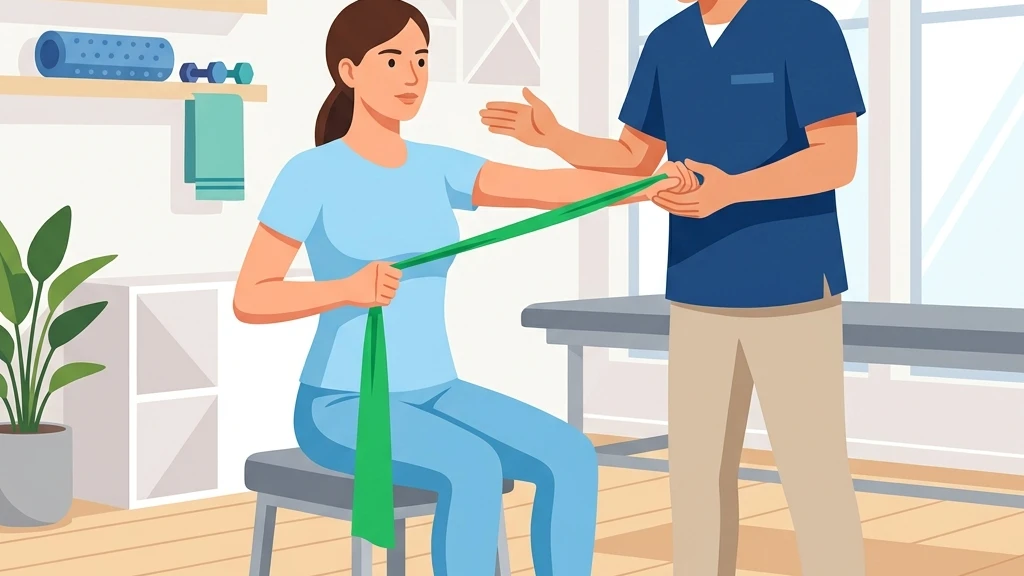
True shoulder stability relies on the muscles that control the shoulder blade (scapula). We introduce progressive resistance training using elastic bands and light weights. Exercises focus on:
- External and Internal Rotation: Building the small rotator cuff muscles that keep the shoulder centered.
- Scapular Retraction: Strengthening the upper back muscles (rhomboids and middle trapezius) to improve shoulder posture and create more space for the tendons.
The Importance of Correct Posture in Shoulder Health
Poor, slouched posture pulls the shoulders forward, narrowing the space beneath the collarbone. This increases the risk of "shoulder impingement," where the rotator cuff tendons are pinched every time you raise your arm. Correcting your seated posture is a vital component of preventing future shoulder injuries.
Recover Your Shoulder Strength
Ignoring shoulder pain can lead to chronic stiffness and a condition known as frozen shoulder. According to our team of SLMC registered physiotherapists, a strong shoulder is built on balanced rotator cuff muscles and proper shoulder blade movement. If you are struggling with shoulder weakness or reach-related pain, contact PhysioPulse to set up a comprehensive assessment.
Experience Professional Recovery
Suffering from pain or recovering from a sports injury? Book a clinical consultation, a home visit, or a video call session with our team of SLMC registered physiotherapists.