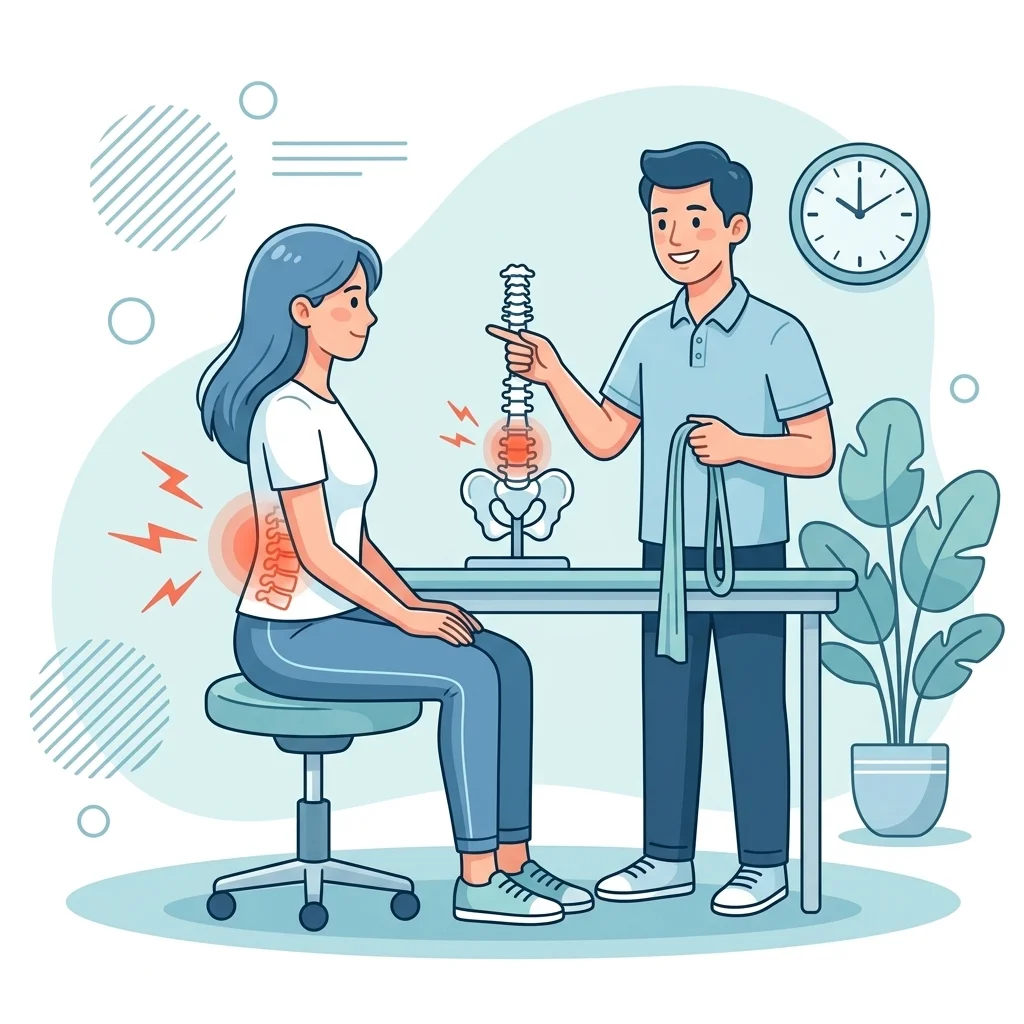
Lower back pain is one of the most common reasons patients seek physiotherapy worldwide. It affects millions of people at some point in their lives, but with correct care and progressive movement, you can recover quickly and prevent long-term issues.
What is Triggering Your Back Pain?
Your spine is a strong, highly supportive structure, but poor mechanical habits, sudden loads, and sedentary lifestyles can strain the surrounding muscles and ligaments. The most common causes we see in clinical practice include:
- Muscle Strains: Spasms or micro-tears resulting from lifting heavy items incorrectly or sudden twisting.
- Bulging Discs: When the soft cushioning discs between your vertebrae bulge or herniate, putting mechanical pressure on nearby nerve roots.
- Prolonged Sitting: Spending hours at an office desk without regular movement stretches and weakens lower back muscles while tightening hip flexors.
- Poor Core Strength: Weak abdominal and deep core stabilizers fail to support the spine, transferring excessive load to the passive structures of the lower back.
Common Back Pain Myths Debunked
- Myth: I need absolute bed rest until the pain goes away.
Fact: Staying in bed for more than 48 hours can actually make your back stiffness worse by reducing blood flow and causing muscles to atrophy. Gentle, pain-free movement is much better for tissue healing.
- Myth: I need an MRI scan immediately to know what is wrong.
Fact: Most cases of acute lower back pain are musculoskeletal and resolve without expensive scans. A clinical physical therapist can diagnose mechanical dysfunctions safely through simple movement checks.
How Clinical Physiotherapy Helps
A qualified physiotherapist will find the root cause of your pain rather than just treating the symptoms. A typical evidence-based treatment plan includes:
- Manual Therapy: Gentle joint mobilizations and soft tissue release to reduce muscle guarding and restore joint glide.
- Core and Hip Stabilization: Simple progressive exercises to build strength in your deep abdominals (transversus abdominis) and gluteal muscles.
- Postural & Ergonomic Advice: Showing you how to align your spine during sitting, standing, and lifting to minimize mechanical stress.
Your Path to Recovery
By choosing the right active treatment plan, most patients feel significant relief within 6 to 12 sessions. If you are struggling with chronic or acute back stiffness, consult a specialist to guide your recovery. Our team at PhysioPulse is dedicated to designing personalized movement protocols that restore your strength and help you return to a pain-free life.
Experience Professional Recovery
Suffering from pain or recovering from a sports injury? Book a clinical consultation, a home visit, or a video call session with our team of SLMC registered physiotherapists.